

Contents
Ready to simplify, scale, and grow?
Subscribe to get the latest workforce management and payroll news in your inbox.
Running a successful labour hire business is more than about having someone available for a shift. It’s also important that candidates have the right skills, training, and certifications for the work they are being sent to do.
As your workforce grows, keeping track of those requirements becomes harder. Qualifications expire. Workers move between clients and roles. Training requirements change. And a missing record can become a compliance issue before anyone realises there is a gap.
Building a compliant and capable labour hire workforce involves connecting the requirements of the role with the people you roster to perform it.
Start with what each role requires
Different roles, customers and sites can have different requirements. Before someone can be deployed, you may need to know they hold the right:
-
Licences.
-
Tickets and certifications.
-
Training.
-
Qualifications.
-
Inductions.
-
Skills and competencies.
Mapping these training requirements to individual roles gives your team a clear picture of what someone needs before they are considered ready to work. It also makes it easier to identify gaps before they affect a shift.
Keep workforce records current
Collecting a qualification when someone joins the business is only the beginning. Licences expire. Certifications need to be renewed. Workers complete new training. Client requirements change.
If those updates sit across spreadsheets, emails, and different systems, it becomes difficult to know whether your workforce records reflect what is actually happening. Centralising employee information gives your team a more reliable record of each worker's skills and compliance status. Expiring document tracking can also empower your team to send automated alerts to update information and suspend workers if this isn’t actioned. Automated VEVO checks also ensure that your scheduling stays complaint.
Catch gaps before they reach the roster
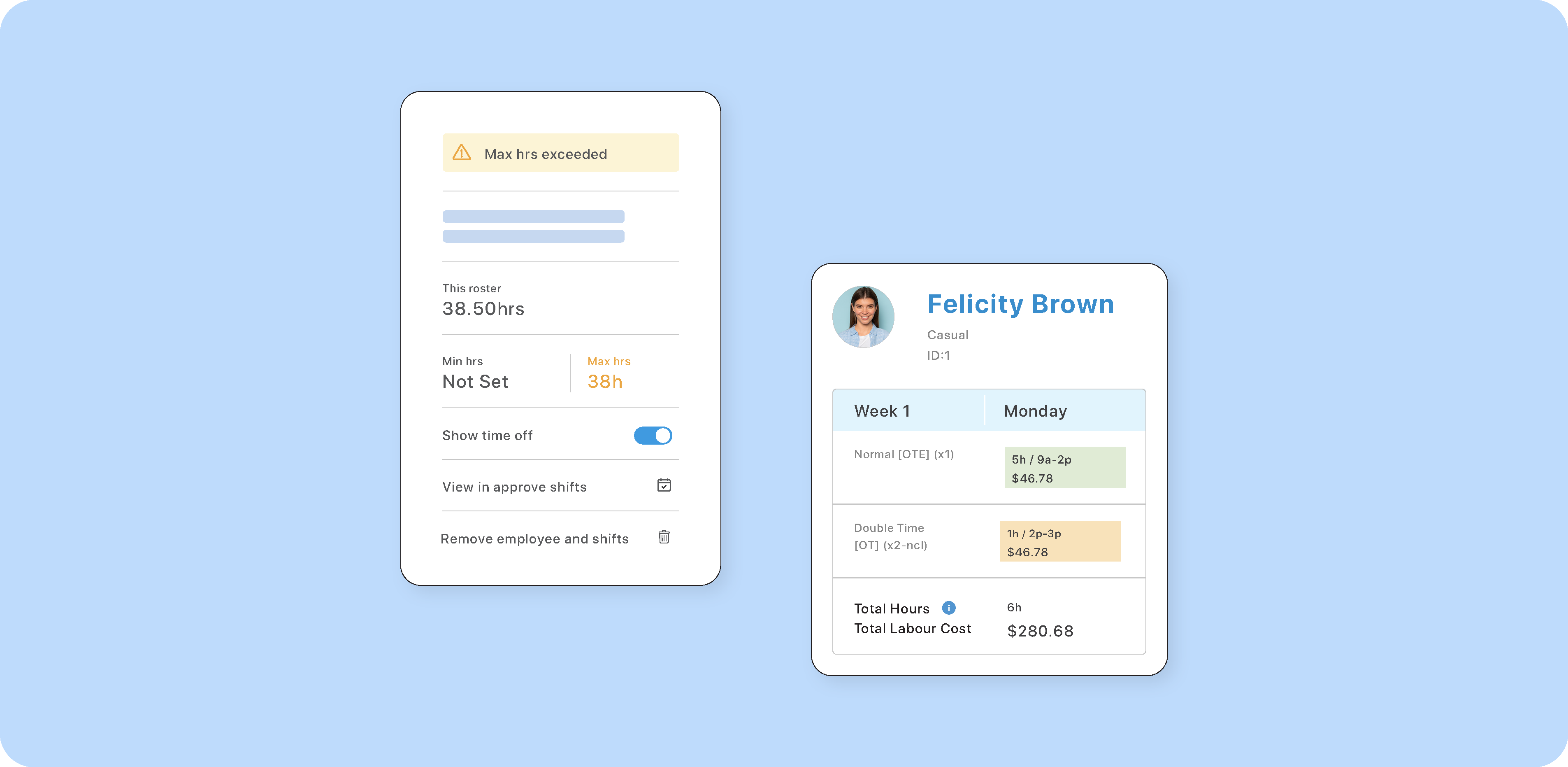
A compliance problem is much easier to deal with before someone arrives on site. Connecting employee records with rostering can help teams identify whether a worker meets the requirements of a role before they are assigned to the shift. If a position requires a specific license and the worker has not uploaded it, they should not be placed on a shift.
That means your team can act earlier if a qualification has expired, required training has not been completed, or the employee does not meet a particular client requirement. For labour hire businesses managing large and frequently changing workforces, that visibility can make a significant difference.
Make your records audit-ready
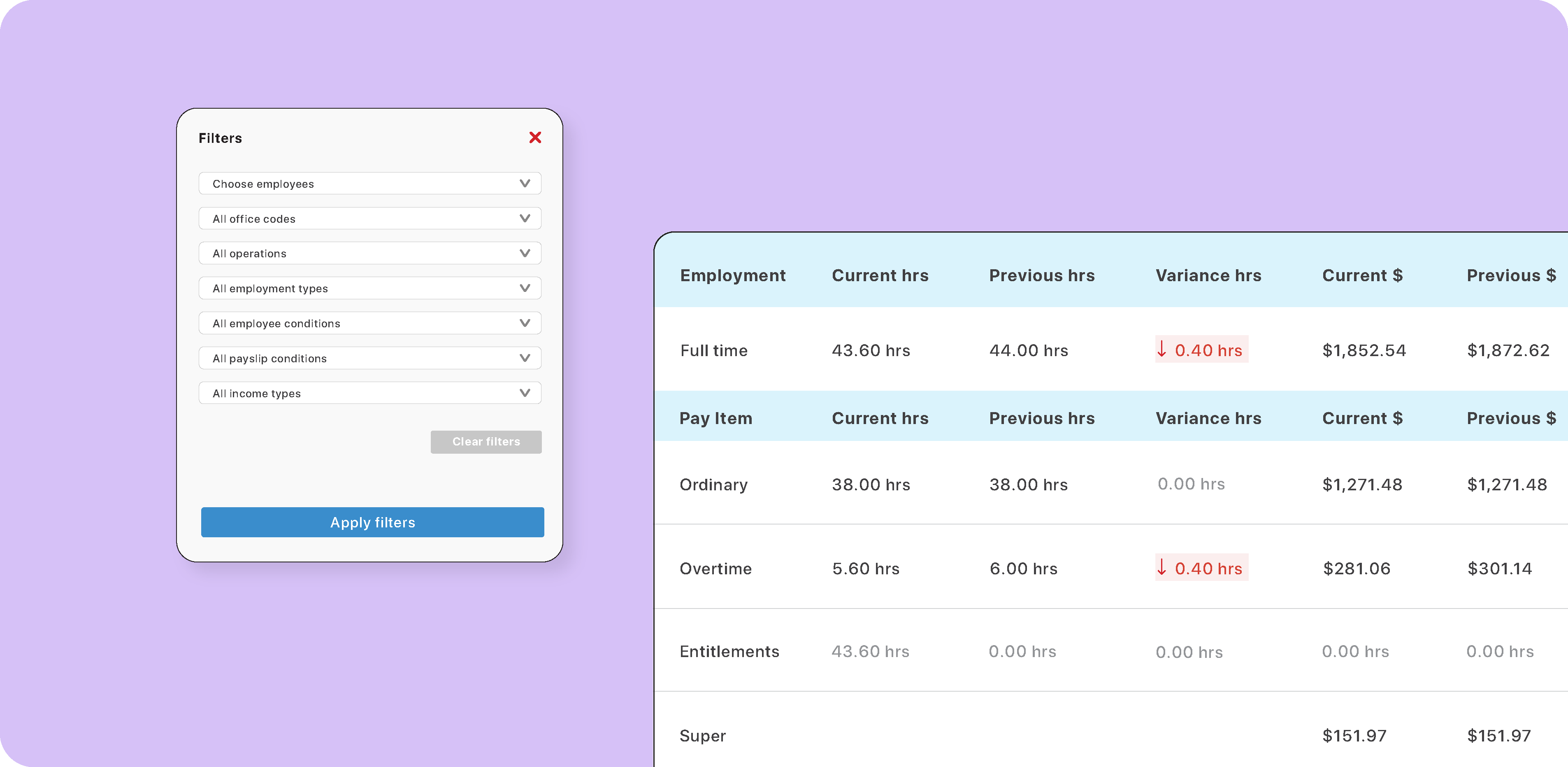
When a client, regulator, or auditor asks for compliance evidence, you need accurate records that are easy to retrieve.
That may include:
-
Employee qualifications and certifications.
-
Training completion records.
-
Licence and certification expiry dates.
-
Role and position history.
-
Time and attendance records.
-
Payroll and pay rate history.
Keeping this information together helps create a clearer audit trail and reduces the work involved when evidence is requested.
Connect training and workforce management
When skills, competencies, and certifications are connected to employee records and workforce requirements, you can get a clear picture of workforce skills and where gaps remain.
Instead of discovering a skills gap when a shift needs filling, you can identify training needs earlier and build capability around the roles your customers need.
Stay compliant as you scale
More workers should not automatically mean more compliance administration. The right systems can help your team maintain accurate workforce records, monitor requirements and make better rostering decisions without relying on manual checks at every stage.
foundU brings workforce management, compliance, rostering, time and attendance and payroll together, helping labour hire businesses maintain visibility as their workforce grows. And by connecting workforce data with training and competency platforms, businesses can create a stronger link between what a worker has learned, what they are qualified to do, and where they are ready to work.
Book a demo to see how foundU can help your labour hire business streamline workforce management.