

Contents
Ready to simplify, scale, and grow?
Subscribe to get the latest workforce management and payroll news in your inbox.
From late spring, many industries across Australia start ramping up. Gyms, swim schools, surf clubs, RSLs, and leagues clubs need staff, often within a matter of weeks. Businesses in manufacturing, logistics, and retail also start onboarding new starters to meet the surge of Christmas demand.
Good candidates don't wait around. They're usually weighing up several opportunities, and the business that responds quickly often wins. The pressure is on HR and operations to onboard new starters quickly, and the step between "you've got the job" and "you're on the roster" is a critical handover point.
A missed certificate, a typo in someone's bank details, or a lapsed RSA might not surface immediately. However, it can show up weeks later on-site or in an amended pay run. For multi-site operators, every gap is multiplied across every location.
Here are four places seasonal employee onboarding commonly breaks down, and how to close each gap before the summer rush.
1. Too many handoffs
In a typical seasonal hiring process, a candidate might give their details to a recruiter, fill out another form for onboarding, then someone types it all into payroll again. Each handoff creates room for error, and at peak, discrepancies can add up fast.
The businesses that handle peak season best treat recruitment, onboarding, and payroll as one continuous process. Information is captured once, checked at the source, and reused everywhere it's needed.
That starts with a clean handover from recruitment. foundU connects with applicant tracking system (ATS) partners, so a successful candidate's details can flow straight into onboarding with no double handling. Everything lands on one employee profile that rostering, time and attendance, and payroll all reference.
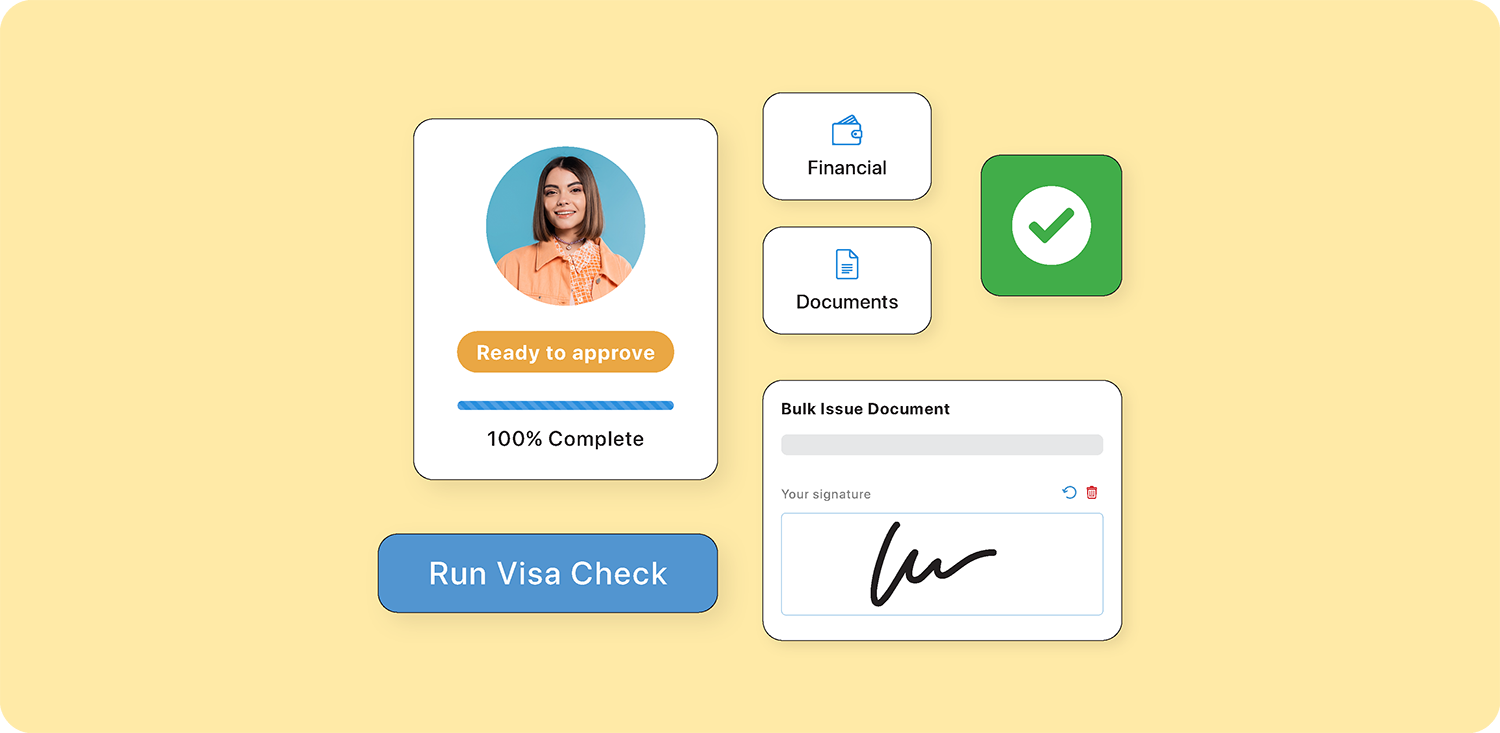
From there, new starters complete a digital onboarding journey themselves. You set what each position needs and can create mandatory fields that must be completed before onboarding can be finished. You can also set reminders to go out by SMS, email, or the employee app. No chasing paperwork or manual data entry, and your new candidates can complete the process on their mobile.
The same applies to returning staff. Your best people from last summer have already done half the work, and you don't have to make them start again. In foundU, you can reference their history, reactivate their profile, and trigger a short onboarding process for their return.
2. Qualifications that aren't linked to shifts
You might have captured a certificate during onboarding, but how do you ensure it stays up to date? When compliance documents like RSA's and first aid certificates sit in a folder, inbox, or separate system, it's hard to prevent a manager under peak season pressure from rostering a worker with expired information.
When a gap opens on a critical roster, managers need to be equipped to fill shifts with employees who are both available and compliant.
In foundU, you can prevent expiries from going unnoticed.
- Start by setting expiry dates on employee records.
- Configure pre- and post-expiry notifications that go to the employee, their manager, and other admins on a cadence that suits your business.
- If a record lapses, that employee can be blocked from shifts until it's updated.
- When a worker uploads a new or updated record, admins are notified automatically, so they can be cleared to work again quickly.
- You can set general requirements at the roster level, then add more specific ones at the shift level.
- When a worker is blocked, the system shows why, naming the record that's missing.
- Open shifts can be offered to all eligible, compliant staff to fill gaps fast.
The result is a compliance process that runs all season, not just on day one.
Compliance records also sit on the employee profile and can be applied as roster requirements.
That takes the speed-versus-compliance call out of a busy manager's hands. They can fill shifts quickly, understanding that the system is helping them to find people who are cleared to work.
3. Payroll errors start upstream
Payroll errors can begin with incomplete or incorrect onboarding information. To prevent amended pay runs, you should get the data right at the source and reduce the chance that it needs to be re-entered downstream,
In foundU's digital onboarding, new starters enter their own tax and bank details, and mandatory fields can't be skipped. Work rights are supported, as foundU's integration with the Department of Home Affairs runs VEVO and right to work checks automatically.
Because payroll is built in, not integrated, data flows straight from onboarding through rostering and time and attendance to pay runs across all your venues:
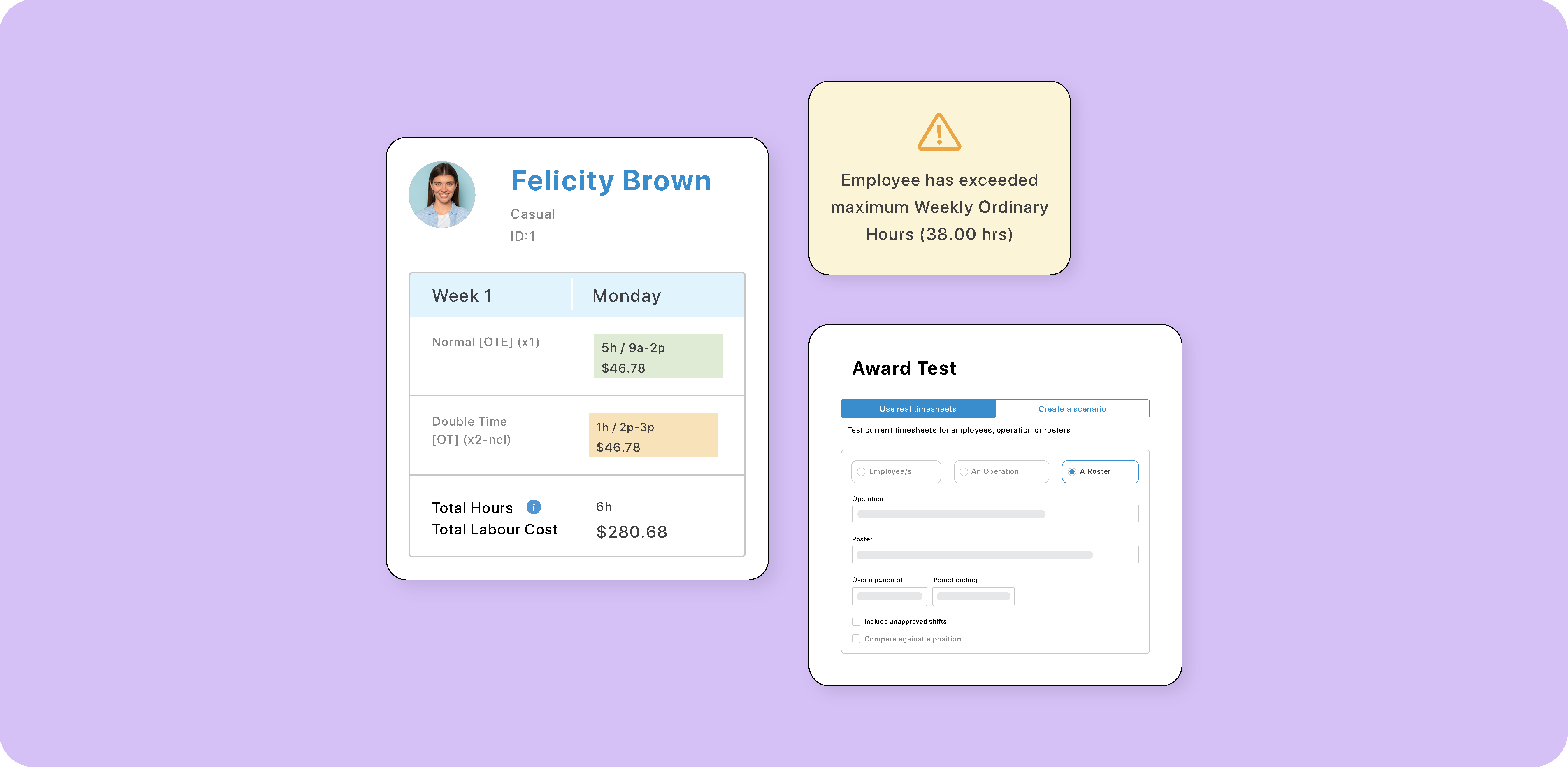
- Once configured, the award interpretation engine calculates wages, overtime, and entitlements using the rules you've set across modern awards, EBAs, and the NES. This helps when staff work across multiple roles and qualification levels.
- Rosters show real-time wage costs based on each employee's position and award rules, so you can manage labour costs as headcount climbs.
- Staff can clock on by phone, tablet, QR code, or browser, feeding accurate attendance data into payroll without manual reconciliation across sites.
When the same data flows from onboarding to the roster to the payslip, there are fewer gaps to close later.
Your pre-season checklist
Before the summer rush, run through these questions to see where your current setup might break down:
- Can candidate details move from your ATS to onboarding without double handling?
- Does each role have its own list of required records?
- Can new starters onboard from their phone?
- Are work rights checked automatically?
- Can returning staff be reactivated quickly?
- Are non-compliant staff blocked from the roster?
- Will you know before a certificate expires?
- Does payroll use the same data as your rostering and time and attendance system?
Speed and compliance, together
Seasonal hiring will always be a race against the clock. But with the right systems supporting onboarding, rostering, and payroll, speed and compliance don't have to be a trade-off.
And when summer ends, keep your seasonal staff's profiles and records. They're a talent pool you've already built and invested in, ready to reactivate next season.
In health and recreation and impacted by seasonal demand? Download our free guide, Summer-ready: how to build a seasonal workforce fast, for a full breakdown of what to check before peak season.
If you want to take a deeper dive into seasonal onboarding for your business, then book a demo of foundU. With active user pricing, you only pay for the workers who are entitled to be paid, so scaling up for summer, and back down again, stays affordable.