

Contents
Ready to simplify, scale, and grow?
Subscribe to get the latest workforce management and payroll news in your inbox.
Worried your payroll records might not be up to scratch? The burden of proof in underpayments is increasingly sitting with employers, and it's important to be confident that your payroll records will hold up in investigations.
Timesheets, rosters, payslips, and wage calculations all need to be accurate and complete. In this article, we'll explore how a combined workforce management and payroll system can help you strengthen your payroll audit trail, without adding hours to your work week.
What is a payroll audit trail?
A payroll audit trail is the connected history behind an employee's pay. It links employment details, hours worked, approvals, calculation rules, and subsequent changes so someone can understand how a payment was reached.
A payslip shows the outcome. The audit trail explains the inputs and decisions behind it.
For shift-based employers, that distinction matters. Employees may move between locations, change positions, or work different hours from those originally rostered. Without connected records, answering a pay query can become a search through spreadsheets and inboxes.
Connect the records behind each payment
A useful audit trail begins during onboarding. Capture the employee's position, relevant agreements and supporting documents, then keep that information connected to rostering, time and attendance, and payroll.
For each pay period, you should be able to follow the employee's actual hours through approval and calculation to the payslip. When rostered, worked, or approved hours differ, an explanation should be noted.
The less manual handoffs you have, the fewer opportunities there are for information to be double-handled, missed, or changed without explanation.
Record who changed what and why
Payroll records will sometimes need updating. A manager may correct a shift, or payroll may need to edit or adjust a payslip. Most importantly, the change needs to be easy to understand down the track.
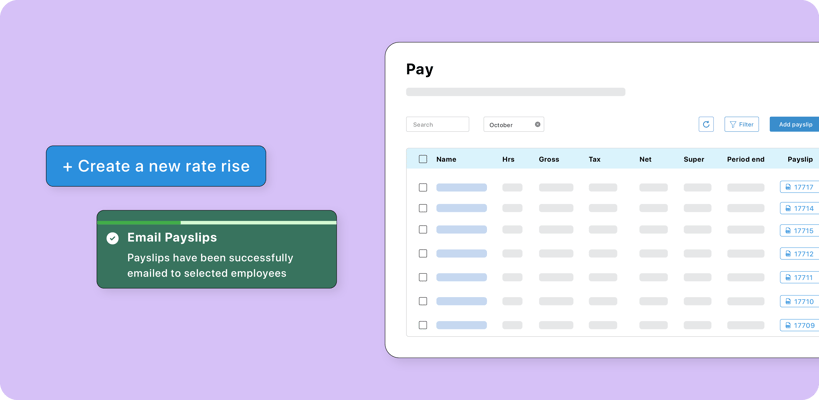
Capture the edit, when it happened and the reason. Supporting comments can turn an activity log into a record that someone can interpret months afterwards. In a combined workforce management and payroll system, you should be able to document changes to rosters, approved shifts, and payslips with optional comments logged. Have internal agreement on when comments are required and make explanations specific enough to be understood by someone outside your business.
Make calculations explainable
A complete history should show more than the final amount. It should help payroll teams explain which position, rate, and configured rules produced that amount.
This becomes particularly useful when someone works across sites or changes roles. Keep effective dates clear so a later reviewer can distinguish the employee's current settings from those applying to an earlier period.
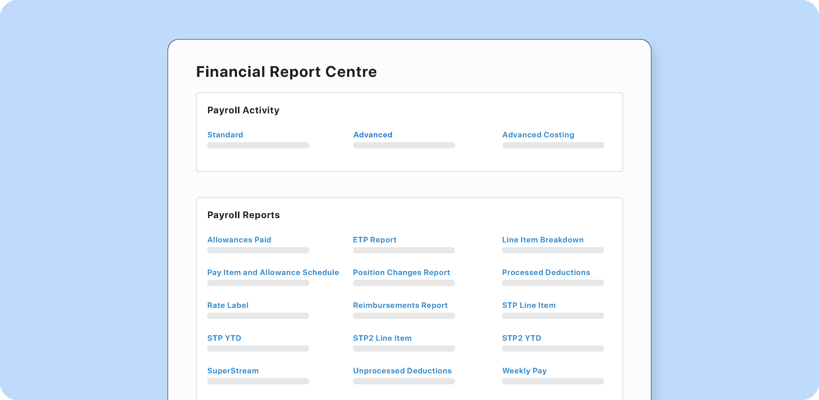
In foundU, the award test feature helps you understand pay calculations. You can also document employment history and access position change reports. These records help teams investigate the calculations without relying on a former manager's memory.
Test retrieval before you need it
Choose a sample of employees and a previous pay period. Try to retrieve the relevant agreement, position details, shifts, approvals, and payslips. Time the exercise and note any missing links.
Include an employee who changed roles and another with an adjusted payment. These examples test whether your records explain exceptions as clearly as routine pay runs.
Check that a colleague can follow the evidence without your verbal explanation. If they cannot, improve the documentation or workflow before the next review.
Assign someone to resolve each gap and repeat the exercise regularly. Retrieval should remain practical when staff leave, locations change, or the business grows. A record that exists but cannot be found quickly creates avoidable work for everyone involved.
Building your payroll audit trail, without adding hours of admin
An audit trail works best when everyday activity creates it automatically, supported by consistent approvals and meaningful notes. That makes employee queries, internal reviews, and external requests easier to handle.
Want to understand how this works in practice? Watch foundU's payroll audit trail webinar featuring Citation Legal. You can also book a demo to see how a combined workforce management and payroll platform connects employee records, shifts, and payslips to make every pay outcome easier to explain.